Beyond faith and tradition, India’s festive calendar represents an extraordinary economic institution – one that connects millions of households, small businesses, artisans and markets through a shared culture of celebration.
There is something remarkably profound about India’s festive calendar. Long before modern economics, consumer markets or financial institutions took shape, Indian civilisation had developed a cultural rhythm in which festivals became an integral part of collective life. This was not merely a tradition of worship; it evolved into a powerful social and economic ecosystem.
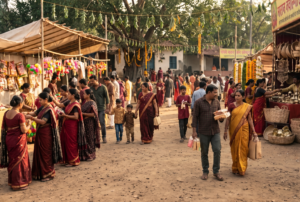
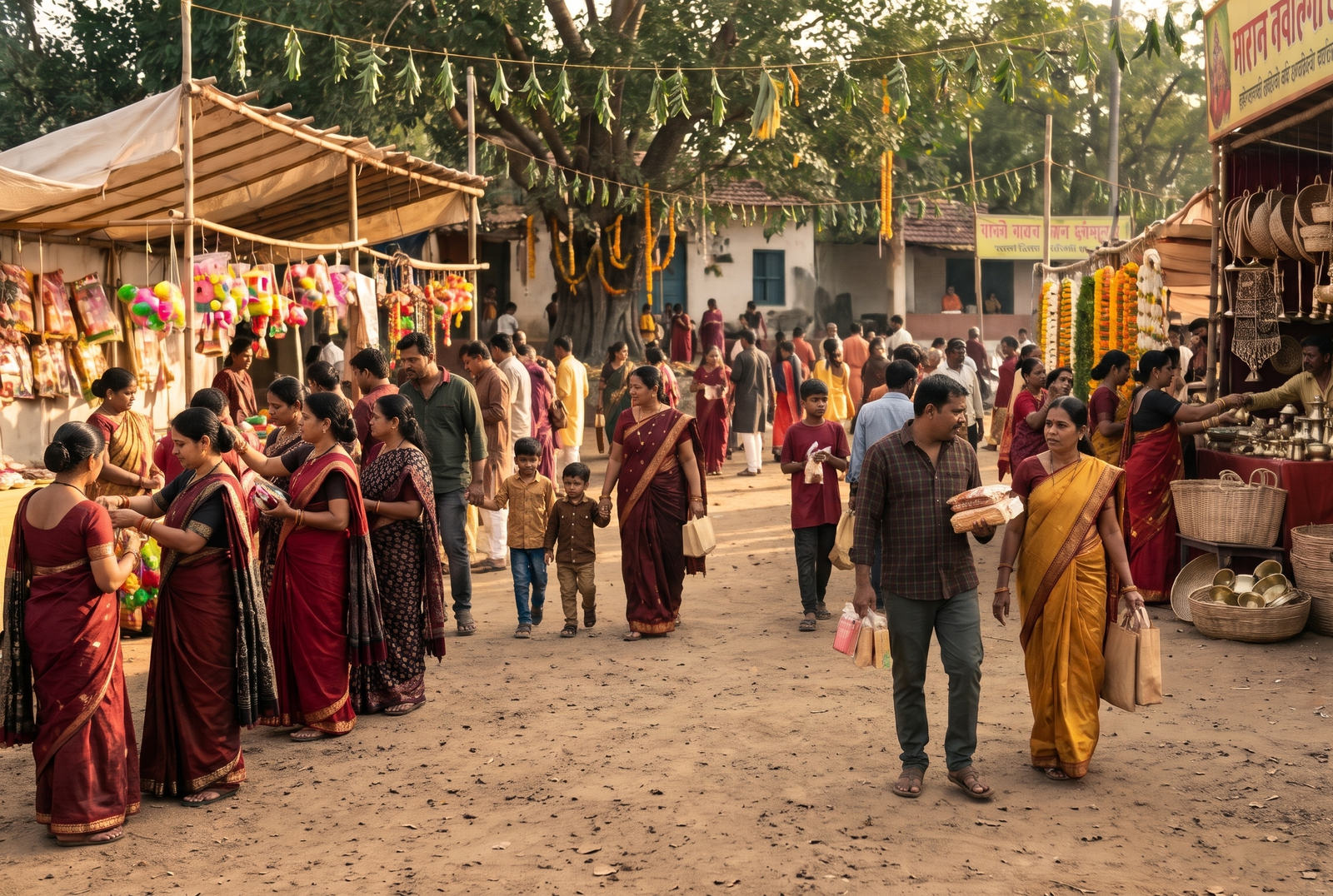
September, October and November illustrate this phenomenon perhaps better than any other months. Navratri, Durga Puja, Dussehra and Diwali transform the country into a vast marketplace of aspiration, enterprise and human connection. From metropolitan shopping districts to small-town bazaars and village markets, economic activity gathers momentum. Clothing, jewellery, electronics, automobiles, sweets, decorations, transport, hospitality and tourism all benefit from this seasonal surge.
The significance extends far beyond corporate retail. For millions of small traders, street vendors, artisans, potters, flower sellers, craftsmen and temporary workers, the festive season represents a crucial opportunity to earn, recover investments and sustain livelihoods. Money circulates through communities, connecting consumption with employment and local enterprise.
The latest figures underline this economic dimension. According to the Retailers Association of India and Innoviti’s October 2026 analysis, digitally recorded retail spending in eastern India during the pre-Navratri fortnight rose by 21.7% compared with the corresponding festive period in 2025. Fashion and lifestyle spending in the region increased by 28.3%. These figures demonstrate how deeply festivals influence regional consumption patterns.
Yet the contemporary festive economy is not without contradictions. Inflation, rising household expenses and unequal purchasing power mean that celebration does not translate into prosperity for everyone. A LocalCircles survey published in October projected a 6% decline in urban households’ discretionary festive spending. Environmental degradation, excessive consumerism and precarious seasonal employment also deserve serious attention.
There is, nevertheless, a deeper lesson in India’s civilisational inheritance. Festivals create more than commercial opportunities; they generate belonging, optimism and intergenerational continuity. They bring families together, sustain regional identities and give younger generations a living connection with their cultural inheritance.
India’s greatest economic strength may not simply lie in the scale of its markets, but in the cultural traditions that repeatedly renew demand, encourage enterprise and preserve social connections.
In India, festivals are not merely occasions on which people spend money. They are moments when an entire civilisation celebrates, earns, shares and renews its faith in tomorrow.
Author

Related Stories


Most Read
- 1Argentina’s ‘Vanishing Sea’: Rare Low Tide
- 2Effect of the 12 August 2026 Solar Eclipse on the 12 Zodiac Signs, Know Who Will Benefit and Who Will Have to Be Careful
- 3Powai: Minor Girl Sexually Assaulted by Six Men, All Accused Arrested Within 24 Hours
- 4HC finds peon’s dismissal over tea and biscuits amounted to ‘injustice’
- 5Brace for 29 June: a Capricorn Full Moon, Mercury retrograde and Jupiter’s leap into Leo