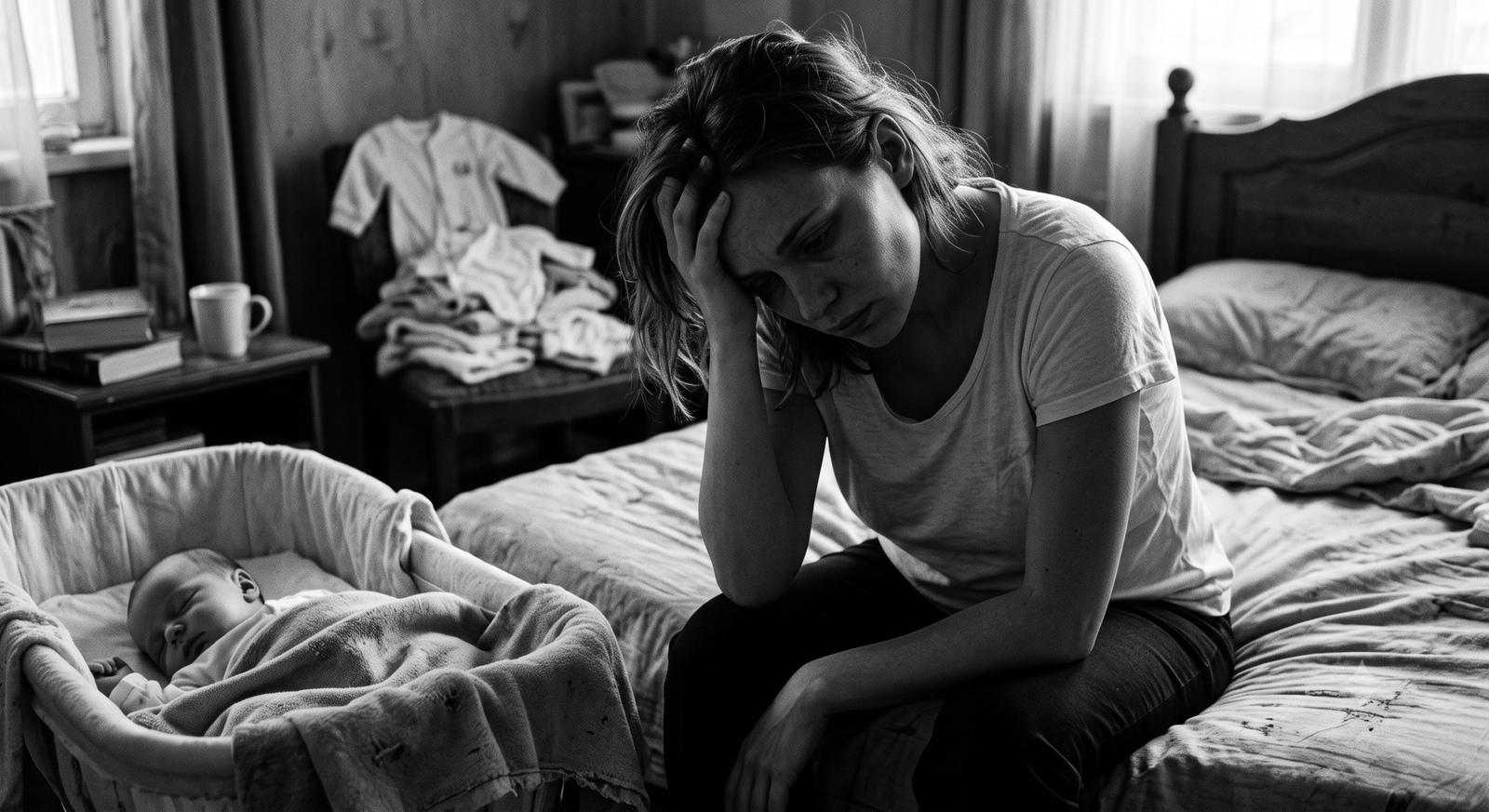
Postpartum depression has emerged as a significant, yet often unspoken, challenge in recent years.
While the arrival of a newborn is celebrated as a moment of joy and fulfillment, for many mothers it also marks the beginning of an emotional struggle that remains hidden behind smiles and social expectations.
According to gynecologists and mental health experts, hormonal changes, physical exhaustion, and the sudden responsibility of caring for an infant can leave women feeling overwhelmed, anxious, or persistently sad.
Dr Snigdha Chatterjee, gynecologist, said, “Depression is especially common among working women who live in nuclear families. They have to manage the home and care for the newborn without much support. Greater awareness about mental health has also encouraged more women to seek medical help.”
Doctors highlighted nutritional deficiency, sleep deprivation, and changes in feeding habits as major causes of this condition.
“Postpartum depression usually lasts for about three months, but it may continue longer in women with a history of anxiety. Lack of proper nutrition leads to irritability and anxiety. Sleep deprivation further worsens emotional health,” Dr Chatterjee added.
Dr Rashmi Singh, Consultant – Obstetrics and Gynecology, said, “Delayed childbearing and modern lifestyle pressures are also affecting women’s physical and emotional well-being. Women are planning pregnancies later due to career and financial priorities. Stress, environmental factors, and changing lifestyles are impacting fertility and increasing anxiety.”
Adding further, Dr Rashmi said, “The state has significantly reduced maternal mortality from around 300–350 per one lakh live births to nearly 50–60. However, mental health challenges after childbirth are becoming more visible.”
Dr Bhoomika Sachacher, Consultant Clinical Psychologist, said, “Today’s lifestyle demands quick recovery and a return to routine life soon after delivery. Reduced rest and emotional support are making women more vulnerable.”
Dr Sachacher emphasized that families must recognise early signs such as sadness, mood swings, or detachment from the baby.
“Emotional health needs as much care as physical recovery,” she said.
Dr Pawan Kumar Burnwal of the Neuropsychiatry and Drug De-addiction Centre said he treats 15 to 20 cases of postpartum stress every month. He also linked poor nutrition and increased consumption of processed food with emotional instability after delivery.
“Many women do not realize that postpartum depression is a medical condition. Early treatment can prevent long-term depression and improve bonding between mother and child,” he said.
For many women, motherhood begins with celebration but soon turns into a quiet emotional struggle.
Ananya Sharma, a working professional and new mother, recalls feeling constantly exhausted and irritable after childbirth.
“After my baby was born, I felt constantly tired and irritated. I thought it was normal, but I started feeling lonely and anxious. Counseling helped me understand that I was going through postpartum depression.”
Another mother, Priya Kumari, said, “Living in a nuclear family made it difficult. I had sleepless nights and no time for myself. With family support and medical advice, I slowly recovered.”
Author

Related Stories




Most Read
- 1Argentina’s ‘Vanishing Sea’: Rare Low Tide
- 2Effect of the 12 August 2026 Solar Eclipse on the 12 Zodiac Signs, Know Who Will Benefit and Who Will Have to Be Careful
- 3HC finds peon’s dismissal over tea and biscuits amounted to ‘injustice’
- 4Brace for 29 June: a Capricorn Full Moon, Mercury retrograde and Jupiter’s leap into Leo
- 5Japan Coach’s Whiteboard Tactics Go Viral at FIFA World Cup