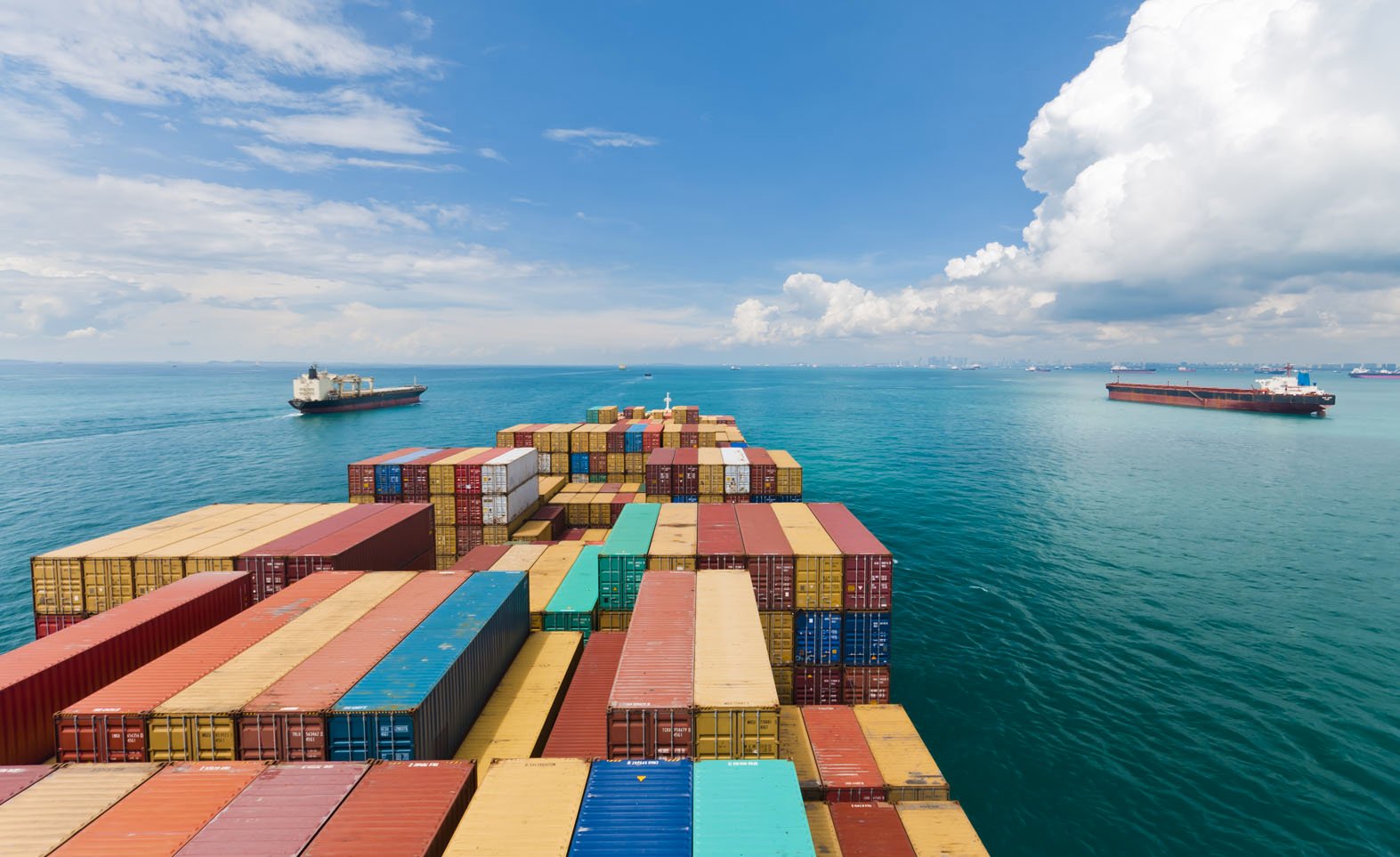
New Delhi, June 4 (IANS): The India-Middle East-Europe Economic Corridor (IMEC), a proposed multinational infrastructure initiative aimed at upgrading connectivity between the three regions through integrated trade, energy and digital networks, is envisioned partially as a counterweight to China’s international infrastructure project, the Belt and Road Initiative (BRI), according to an article. Announced at the Group of 20 (G20) Summit in New Delhi in September 2023, IMEC is designed to create a resilient supply chain network connecting India, the Middle East and Europe, according to the article published by the Middle East Institute. It aims to transport goods, energy and data, bypassing the Bab al-Mandab and Suez Canal. The corridor’s proposed infrastructure would include upgraded ports, integrated grids, rail links and subsea cables, leading to a more efficient alternative trade, energy and data route that advances the long-term interests of the United States in the region, it said. The main signatories to IMEC are India, the US, the UAE, Saudi Arabia, Israel, Jordan, France, Germany, Italy and the European Union. Notably absent are Qatar, Oman, Turkey, Iraq and Iran.
The article observes that while the IMEC initiative is currently on hold due to the conflict in the Middle East, two and a half years after the initiative was unveiled, the reasons for the corridor’s creation have become more urgent for all parties. Whether through IMEC or another competing trans-Middle Eastern transportation project, regional stakeholders are likely to continue working to build out infrastructure that will enable a more interconnected and prosperous future. The article also contends that the proposed corridor would address vulnerabilities in global trade routes exposed by events such as the 2021 Suez Canal blockage and Red Sea disruptions from Houthi militants starting in late 2023. It could cut transit times from India to Europe significantly and thus reduce costs by 30 per cent.
Although multimodal transportation connections form the corridor’s core, the lasting impacts from IMEC likely lie in the energy and technology sectors. Fibre-optic lines laid along the route would bypass the vulnerable data chokepoint at the Bab al-Mandab and offer expanded capacity for the Indian private sector with an increasing demand for data. Additionally, IMEC would advance US national security interests by helping to stabilise the region through expanded economic interdependence, extending the Abraham Accords’ normalisation efforts. The article further highlights that Indian Prime Minister Narendra Modi’s government has placed enormous emphasis on technology infrastructure expansion and IMEC’s fibre-optic and energy routes are not just an added benefit to the savings from the route’s efficiency. They are central to IMEC’s appeal. The Indian private sector has a rapidly increasing demand for data as well as the means to invest and build digital infrastructure.
India generates nearly 20 per cent of global data but has only around 3 per cent of global data centre capacity — closing that gap will require more cross-border data traffic and corresponding investment in the undersea cables that carry it. India’s industrial giants have a history of collaboration with the Gulf in building and running ports, railways and telecommunications infrastructure both domestically and internationally. But right now, technology is foremost in the India-Gulf relationship and the local semiconductor industry is the priority for India. Fibre-optic cables laid along the corridor provide extreme bandwidth, ultra-low-latency and high-speed data transmission between Europe, the Gulf and India at a time when demand is growing rapidly, the article pointed out.
Author

Related Stories


Most Read
- 1Argentina’s ‘Vanishing Sea’: Rare Low Tide
- 2Effect of the 12 August 2026 Solar Eclipse on the 12 Zodiac Signs, Know Who Will Benefit and Who Will Have to Be Careful
- 3HC finds peon’s dismissal over tea and biscuits amounted to ‘injustice’
- 4Brace for 29 June: a Capricorn Full Moon, Mercury retrograde and Jupiter’s leap into Leo
- 5Japan Coach’s Whiteboard Tactics Go Viral at FIFA World Cup