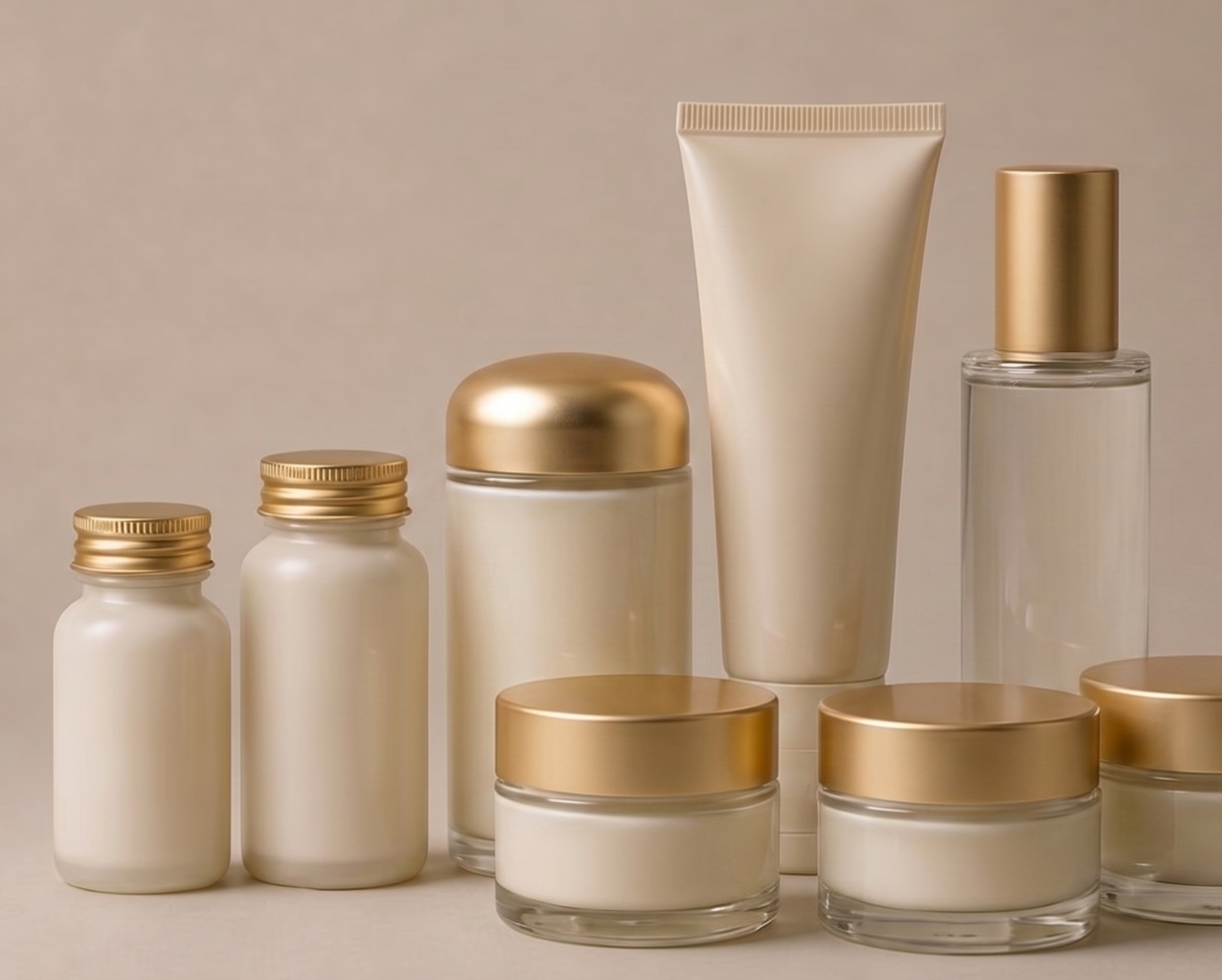
India’s beauty and personal-care industry is no longer simply an extension of glamour, fashion or celebrity culture. It is evolving into a serious consumer-business story, with Bollywood stars, digital-first entrepreneurs, global corporations and investors all seeking a share of a rapidly expanding market.
The entry of celebrities such as Deepika Padukone, Katrina Kaif and Shilpa Shetty into skincare and beauty is therefore about more than personal branding. It reflects a broader shift in how Indians consume, discover and value beauty products. At the same time, digitally native brands are using social media, e-commerce and increasingly sophisticated consumer data to reach audiences well beyond the country’s major metropolitan centres.
The implications could be significant. Market analysts believe that, if current growth rates are sustained, the next three to five years could bring a wave of initial public offerings, strategic investments, mergers and acquisitions across the sector. According to Kunal Bhatnagar, a partner at research firm Redseer, as many as 10 to 15 beauty companies could cross annual revenues of roughly 1,000 crore to 1,500 crore or more within that period. That would create a much deeper pipeline of potential stock-market listings as well as attractive acquisition targets for larger corporations.
The optimism is underpinned by the scale of the opportunity. India’s beauty market was estimated at around 2.2 lakh crore in 2025 and is projected to approach 3.8 lakh crore by 2030. Its expansion is expected to outpace both overall economic growth and traditional retail. More importantly, the numbers point to a fundamental change in consumer behaviour rather than merely a temporary consumption boom.
That transformation has not gone unnoticed internationally. Global beauty companies are increasingly treating India not simply as a market in which to sell products, but as a source of brands, consumers and future growth. Estee Lauder’s interest in Forest Essentials, L’Oréal’s investment in digital personal-care businesses and Unilever’s venture-capital activity in the sector underline the strategic importance now attached to Indian beauty brands.
The pandemic accelerated some of these trends. Skincare, once perceived largely as an urban luxury, has moved steadily towards becoming part of everyday self-care. E-commerce and social media have dramatically reduced the distance between emerging brands and consumers in smaller cities and towns. Brands such as Hyphen, co-founded by actress Kriti Sanon, and MCaffeine, associated with entrepreneur Vaishali Gupta, illustrate how digital distribution and changing consumer aspirations can create new routes to scale.
As Priyanka Bhargava, Flipkart’s head of brand strategy, has observed, beauty is increasingly becoming an everyday self-care habit for younger consumers rather than merely a form of self-expression.
But rapid growth should not be mistaken for an uncomplicated success story. The next phase will test whether Indian brands can build durable businesses rather than simply generate social-media visibility. Competition for consumers, rising customer-acquisition costs, regulatory scrutiny over product claims, sustainability concerns and the growing influence of multinational capital will all shape the industry’s trajectory.
India’s beauty boom is thus about more than lipstick, skincare or celebrity endorsements. It sits at the intersection of changing incomes, digital commerce, consumer aspiration and global capital.
The real question is no longer whether India can become one of the world’s major beauty markets. It is whether Indian brands can emerge from this investment wave as global businesses in their own right — rather than becoming acquisition targets along the way.
Author

Related Stories




Most Read
- 1Argentina’s ‘Vanishing Sea’: Rare Low Tide
- 2Effect of the 12 August 2026 Solar Eclipse on the 12 Zodiac Signs, Know Who Will Benefit and Who Will Have to Be Careful
- 3HC finds peon’s dismissal over tea and biscuits amounted to ‘injustice’
- 4Brace for 29 June: a Capricorn Full Moon, Mercury retrograde and Jupiter’s leap into Leo
- 5Japan Coach’s Whiteboard Tactics Go Viral at FIFA World Cup