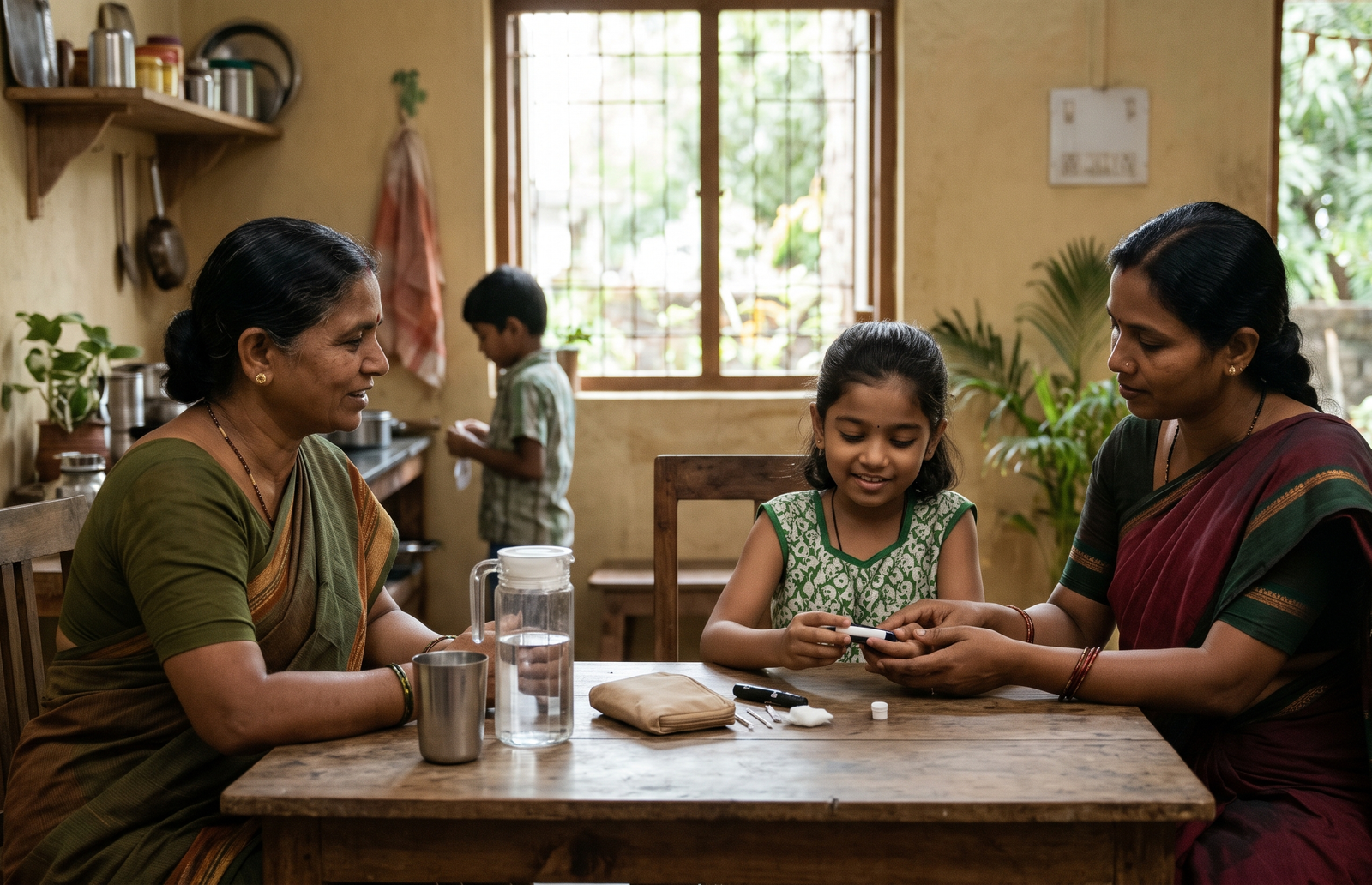
New Delhi: Children living with Type 1 diabetes need to be equipped to manage the condition confidently rather than just being supported during diagnosis, AIIMS, Delhi Director Dr Nikhil Tandon said on Monday.
“Insulin management, regular blood glucose monitoring, healthy nutrition and physical activity are essential components of everyday care,” Dr Tandon said.
He further noted that with the right medical guidance and support from families and schools, children with Type 1 diabetes can lead active, healthy and fulfilling lives.
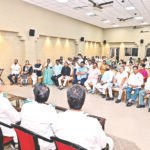
Dr Tandon was speaking at a national engagement, ‘Beyond Diagnosis: Living Well with Type 1 Diabetes at Home, in Schools and Communities’, organised by HRIDAY in collaboration with AIIMS, Delhi.
The event also highlighted the inclusion of Type 1 diabetes screening in the Rashtriya Bal Swasthya Karyakram (RBSK) 2.0 Operational Guidelines 2026, which provide for recognition of early warning signs, on-the-spot blood glucose testing and referral to District Hospital NCD clinics.
The guidelines identify the common warning signs of Type 1 diabetes as the ‘4Ts’: Toilet, Thirsty, Tired and Thinner.
The development assumes significance as early identification and timely access to treatment can help children and adolescents better manage the autoimmune condition and avoid complications.
The programme brought together government representatives, endocrinologists, healthcare professionals, researchers, civil society representatives, teachers, students, parents and people living with Type 1 diabetes.
Dr Shobhna Gupta, Deputy Commissioner and In-charge (Child Health and RBSK), Ministry of Health, was the guest of honour.
Professor Monika Arora, Executive Director, HRIDAY, urged that healthy habits need to be encouraged from an early age, while children with Type 1 diabetes need supportive environments where diabetes management becomes part of everyday life.
“Longevity is not just about adding years to life but ensuring that those years are lived in good health, with dignity and confidence,” she said.
Experts at the event also stressed the need for schools to create safe and inclusive environments where children can access insulin, monitor blood glucose levels, participate in physical activities and receive timely support without stigma or discrimination.
They also highlighted the adverse impact of sedentary lifestyles, excessive screen time, irregular eating habits, highly processed foods, inadequate sleep and chronic stress on long-term health.
The event showcased the “Grassroots to Global India Initiative”, supported by Beyond Type 1 and led by HRIDAY with partners, which focuses on Type 1 diabetes awareness, capacity building, linkage to care and community-based support.
The initiative reached more than 1.4 million people in its first phase and about two lakh people so far in its second phase, according to the organisers.
Its Lived Experience Ambassador network has grown from 14 to more than 250, with one national and five regional coordinators supporting outreach.
A student e-poster compendium was released, and 12 winners, selected from more than 170 entries received from across India, were felicitated as part of the World Diabetes Day 2026 Poster Competition.
Author

Related Stories



Most Read
- 1Argentina’s ‘Vanishing Sea’: Rare Low Tide
- 2Effect of the 12 August 2026 Solar Eclipse on the 12 Zodiac Signs, Know Who Will Benefit and Who Will Have to Be Careful
- 3Powai: Minor Girl Sexually Assaulted by Six Men, All Accused Arrested Within 24 Hours
- 4BJP chief Nitin Nabin arrives in Ranchi on a 2-day visit to Jharkhand
- 5HC finds peon’s dismissal over tea and biscuits amounted to ‘injustice’