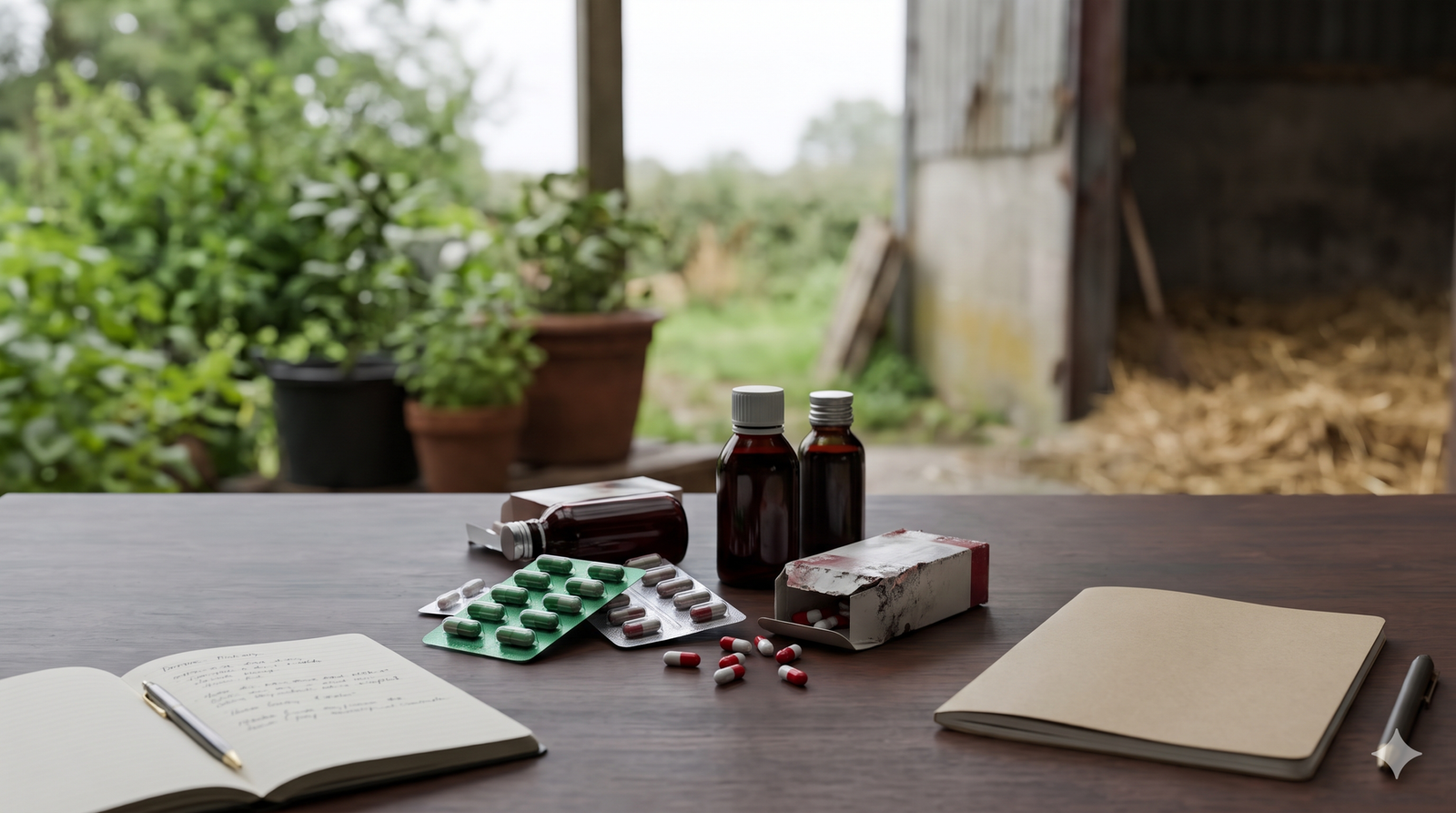
New Delhi: Misuse and overuse of antimicrobials could undermine decades of medical progress and make even common infections increasingly difficult to treat, a senior health ministry official said on Wednesday, calling for collective action to contain antimicrobial resistance (AMR).
Addressing the national observance of World Antimicrobial Resistance Awareness Week 2026 virtually, Union Health Secretary Punya Salila Srivastava described AMR as one of the most serious public health challenges and stressed the need for a coordinated “One Health” approach to tackle it.
This year’s theme is “One Health, One Action: Prevent AMR Now”.
She said medicines that have saved countless lives are gradually losing their effectiveness due to misuse and overuse.
Srivastava highlighted the interconnectedness of human and animal health, plant and food systems and the environment, noting that improper use of antimicrobials across these sectors contributes to the emergence and spread of resistance.
She said the government has accorded high priority to containing AMR, with the National Action Plan on Antimicrobial Resistance 2.0 (NAP AMR 2.0), 2025-2029, providing a framework for surveillance, infection prevention, responsible antimicrobial use, research and coordinated action.
The health ministry’s National Programme on AMR Containment, coordinated by the National Centre for Disease Control (NCDC), focuses on strengthening laboratory capacity for AMR surveillance, infection prevention and control, antimicrobial stewardship and awareness generation, she said.
Srivastava urged healthcare professionals to prescribe antibiotics only when clinically indicated and in accordance with treatment guidelines. She also asked pharmacists to ensure appropriate dispensing against valid prescriptions and counsel patients on their correct use.
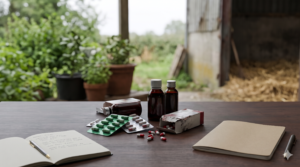
She also advised people against self-medication, sharing antibiotics or using leftover medicines, stressing that antibiotics are not effective against viral infections such as the common cold and influenza.
More than half of antimicrobial sales in India take place without prescriptions, while nearly half of outpatient antibiotic prescriptions are inappropriate, participants at the event noted.
They called for scaling up public awareness campaigns, preventing self-prescription, ensuring proper disposal of antibiotics and expired medicines, and displaying legal warnings at drug shops against the sale of antimicrobials without prescriptions.
Participants also stressed the need to curb production of substandard and spurious medicines, promote appropriate antibiotic use in veterinary medicine, particularly for food-producing animals, and maintain quality standards in healthcare facilities to prevent infections.
The event was attended by senior officials from the National Health Systems Resource Centre, Central Drugs Standard Control Organisation, Department of Animal Husbandry, Indian Medical Association and All India Association of Druggists and Chemists, besides officials from states and Union territories.
World AMR Awareness Week is observed from November 18 to 24 every year to improve awareness and understanding of antimicrobial resistance and promote best practices among the public, policymakers and One Health stakeholders.
Author

Related Stories




Most Read
- 1Argentina’s ‘Vanishing Sea’: Rare Low Tide
- 2Effect of the 12 August 2026 Solar Eclipse on the 12 Zodiac Signs, Know Who Will Benefit and Who Will Have to Be Careful
- 3Powai: Minor Girl Sexually Assaulted by Six Men, All Accused Arrested Within 24 Hours
- 4HC finds peon’s dismissal over tea and biscuits amounted to ‘injustice’
- 5BJP chief Nitin Nabin arrives in Ranchi on a 2-day visit to Jharkhand