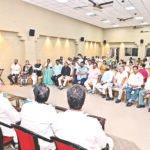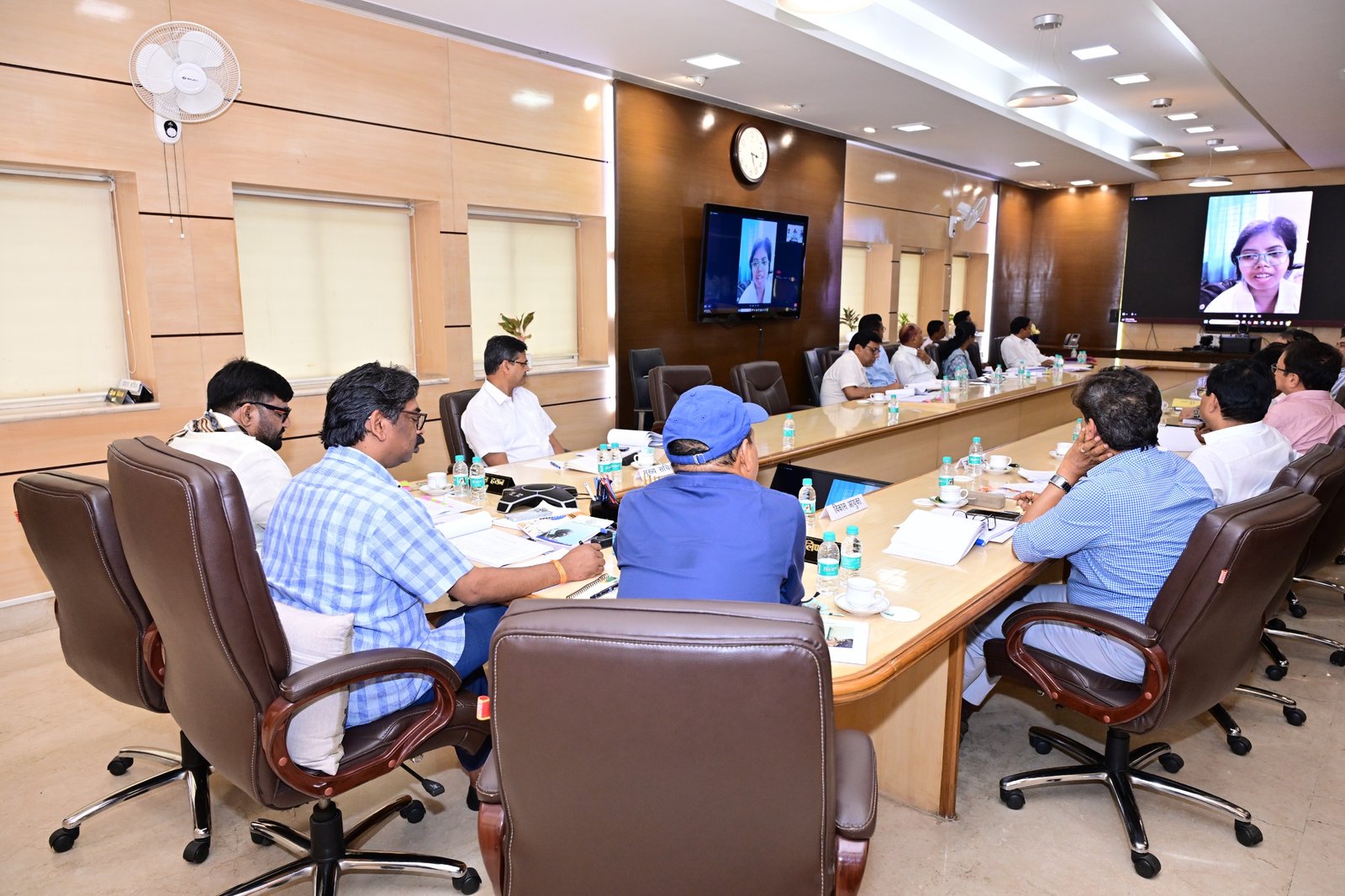
Chief Minister Hemant Soren on Monday instructed officials to strengthen the implementation of welfare schemes for scheduled tribes, scheduled castes, minorities and backward classes. He stressed that benefits must reach the “last person in society”. Chairing a meeting of the welfare department, Soren reviewed the progress of key schemes, including the e-Kalyan portal, scholarship programmes, the Marang Gomke Overseas Scholarship Scheme, the Mukhyamantri Rojgar Srijan Yojana (MRSY), cycle distribution and examination fee reimbursement.
The chief minister held a video conference with beneficiaries of MRSY to review loan disbursal, business performance, income generation and banking support. Beneficiaries described the scheme as a major driver of self-employment and livelihood creation. Soren directed officials to clear pending applications expeditiously, strengthen training programmes and establish a dedicated call centre. Soren asked departments to prepare an action plan for distributing e-cycles to students, particularly those in remote and inaccessible areas, in place of conventional bicycles.
The welfare department currently distributes nearly four lakh cycles annually to class 8 students. “One of the major schemes is scholarships to students from class 1 to Masters (PG) level for all children in the reserved category,” Kripa Nand Jha, secretary, department of ST, SC, minority and backward class welfare, told The Guardian Chronicle. “The review also covered 18 MESO and ITDA hospitals operating in remote tribal and Naxal-affected areas,” Jha added. Micro Economic Social Organisation (MESO) and Integrated Tribal Development Agency (ITDA) hospitals function as first referral units providing free outpatient, inpatient, emergency, maternal and child healthcare services.
Reviewing minority residential schools, Eklavya model residential schools and tribal hostels, the chief minister directed officials to improve infrastructure, teacher availability, food quality, sanitation, security, drinking water and healthcare facilities. He also ordered faster transfer of students from NGO-run ashram schools to Chief Minister’s Schools of Excellence. The meeting further decided to launch special awareness programmes in schools on the Special Intensive Revision (SIR) of electoral rolls and the Census, with students encouraged to act as information ambassadors within their communities.
Author

Related Stories



Most Read
- 1Argentina’s ‘Vanishing Sea’: Rare Low Tide
- 2Effect of the 12 August 2026 Solar Eclipse on the 12 Zodiac Signs, Know Who Will Benefit and Who Will Have to Be Careful
- 3HC finds peon’s dismissal over tea and biscuits amounted to ‘injustice’
- 4Brace for 29 June: a Capricorn Full Moon, Mercury retrograde and Jupiter’s leap into Leo
- 5Japan Coach’s Whiteboard Tactics Go Viral at FIFA World Cup