An 80-year-old resident, Amar Manjhi (name changed), lost his life following a sudden cardiac arrest after an ambulance allegedly failed to reach the patient’s residence on time. According to family members, the elderly man suffered a severe heart attack at home, prompting relatives to make repeated distress calls to emergency ambulance services. However, the vehicle failed to arrive within the critical golden hour. The bereaved family alleged that the fatality could have been prevented had timely medical transport been available to shift him to a hospital.
This is not a single incident in the state. Across both urban hubs and rural areas of the state, various families have faced similar emergencies, alleging that delayed ambulance responses frequently cause preventable deaths. While a few cases draw public attention, many others go unreported.
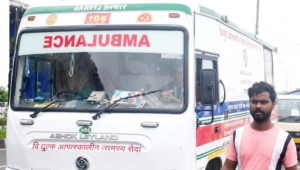
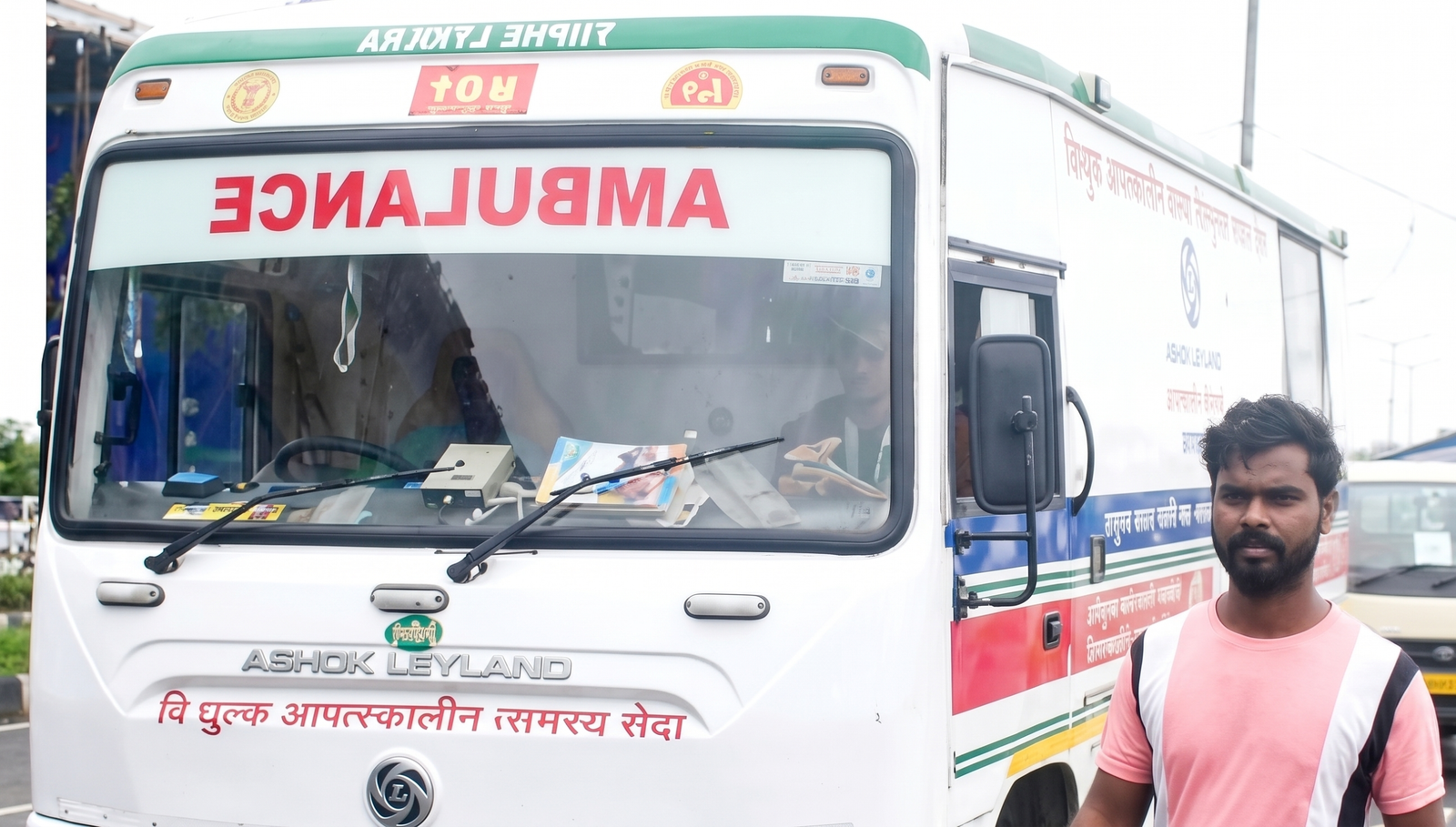
For a patient struggling to breathe, a road accident victim bleeding at the roadside or a pregnant woman requiring urgent hospitalisation, an ambulance is the first link to life-saving treatment. But reaching a patient with a vehicle is only half the job done. The ambulance must also be roadworthy, carry essential medical equipment and have trained personnel capable of providing assistance during the journey.
As per the health department, 125 Advanced Life Support (ALS) and 366 Basic Life Support (BLS) ambulances are operational in the state.
Equipped for CPR, oxygen, vital checks and splinting, BLS ambulances provide non-invasive care for stable patients and are staffed by EMTs or basic responders. ALS ambulances provide intensive, life-saving care for critical emergencies and are staffed by paramedics. These are equipped with cardiac monitors, defibrillators, ventilators, IV lines and emergency drugs for severe cases like heart attacks, strokes or major trauma.
In Jharkhand, the difference between the officially listed operational vehicles and the availability of essential medical facilities inside the ambulances points to the poor condition of the state’s emergency transport network.
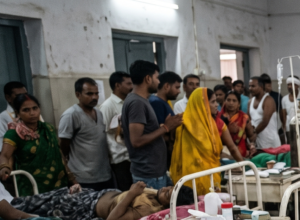
Residents have raised concerns regarding the poor condition and lack of essential facilities in several ambulances. According to citizens, the interiors of these vehicles require urgent attention, with complaints of dirty stretchers, inadequate ventilation and non-functioning lights. Furthermore, locals claim that trained Emergency Medical Technicians (EMTs) are often missing during emergencies. In many cases, ambulances arrive with only a driver and an untrained helper who lacks basic paramedical knowledge.
Sharing her recent ordeal, Amisha Kumari, a patient’s relative, said, “When the ambulance arrived for my mother after she fainted, not only was it late, but there was also a lack of proper cleanliness and no paramedical staff to assist her.”
Author

Related Stories


Most Read
- 1Argentina’s ‘Vanishing Sea’: Rare Low Tide
- 2Effect of the 12 August 2026 Solar Eclipse on the 12 Zodiac Signs, Know Who Will Benefit and Who Will Have to Be Careful
- 3Powai: Minor Girl Sexually Assaulted by Six Men, All Accused Arrested Within 24 Hours
- 4BJP chief Nitin Nabin arrives in Ranchi on a 2-day visit to Jharkhand
- 5HC finds peon’s dismissal over tea and biscuits amounted to ‘injustice’