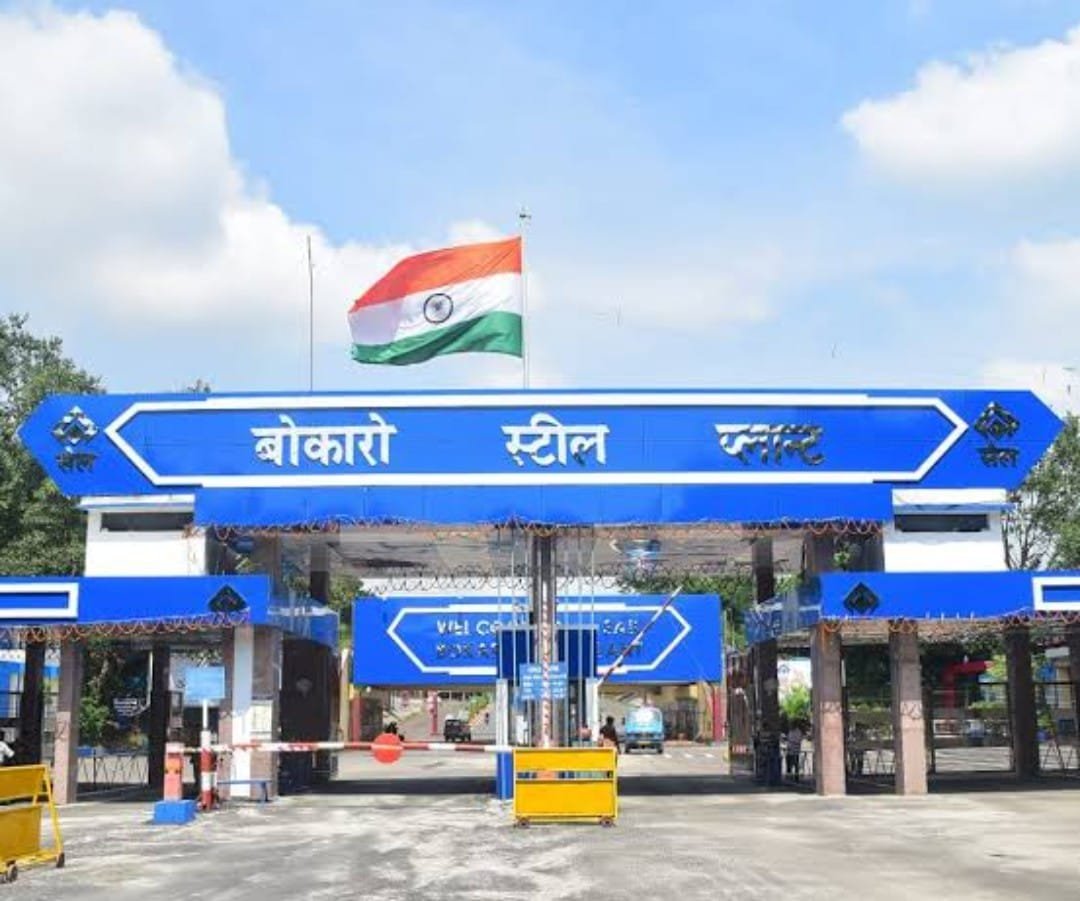
Bokaro Steel Plant (BSL) is set to receive iron ore directly from SAIL mines through a modern slurry pipeline system. To achieve this, the Steel Authority of India Limited (SAIL) is developing the longest slurry pipeline in India’s steel sector.
From Rail Rakes to Pipelines: Inside SAIL’s Mega Logistics Shift for Bokaro Steel Plant
This will be the first project of its kind for SAIL and marks a significant step towards ensuring a reliable and uninterrupted supply of raw materials to support Bokaro Steel Plant’s future expansion.
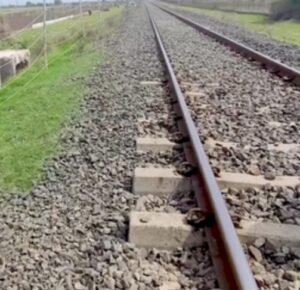
Under this system, iron ore will be finely ground at the mines, mixed with water to form a slurry, and transported directly to Bokaro Steel Plant through a pipeline. This will eliminate dependence on railway rakes for transporting iron ore. At present, the process involves rake availability, loading at the mines, rail transportation, and unloading at the plant, making the supply chain heavily dependent on railway schedules and logistics. With the slurry pipeline, iron ore will reach the plant directly and continuously, ensuring a faster, more reliable, and uninterrupted supply.
The pipeline will transport approximately 8.3 million tonnes of iron ore annually from SAIL’s Gua and Bolani mines to Bokaro Steel Plant. Iron ore from both mines will first be routed to Jamda, from where a 258-kilometre-long main pipeline will carry it to Bokaro. The pipeline has been designed with additional capacity and will be capable of transporting up to 16 million tonnes of iron ore per year in the future, in line with the planned expansion of the plant.
Another key feature of the project is its sustainable water management system. The water used to transport the slurry will be returned to the mines through a separate pipeline for reuse, ensuring significant water conservation and efficient utilization of natural resources.
The project includes modern ore preparation facilities at the Gua and Bolani mines, pumping stations at both mines and at Jamda, as well as dedicated receiving facilities at Bokaro Steel Plant. Designed for an operational life of approximately 30 years, the project is targeted for completion in about three and a half years.
Boosting Economic Efficiency and Green Manufacturing: The Environmental and Cost Advantages of the New Pipeline
Besides reducing transportation costs, the project will significantly ease pressure on the railway network. The need for railway rake allocation and the associated loading, transportation, and unloading operations will be virtually eliminated, enabling a seamless and uninterrupted supply of iron ore independent of rail availability or scheduling constraints.
The slurry pipeline will also deliver substantial environmental benefits. Compared to conventional rail and road transportation, it will significantly reduce dust generation, diesel consumption, and carbon emissions, making it an important step towards cleaner, greener, and more sustainable steel production.
With this transformative initiative, Bokaro Steel Plant will secure a continuous, dependable, and future-ready supply of raw materials, providing a strong foundation for its expansion plans while contributing to India’s industrial growth and sustainable manufacturing goals.
Author

Related Stories



Most Read
- 1Argentina’s ‘Vanishing Sea’: Rare Low Tide
- 2Effect of the 12 August 2026 Solar Eclipse on the 12 Zodiac Signs, Know Who Will Benefit and Who Will Have to Be Careful
- 3HC finds peon’s dismissal over tea and biscuits amounted to ‘injustice’
- 4Brace for 29 June: a Capricorn Full Moon, Mercury retrograde and Jupiter’s leap into Leo
- 5Japan Coach’s Whiteboard Tactics Go Viral at FIFA World Cup