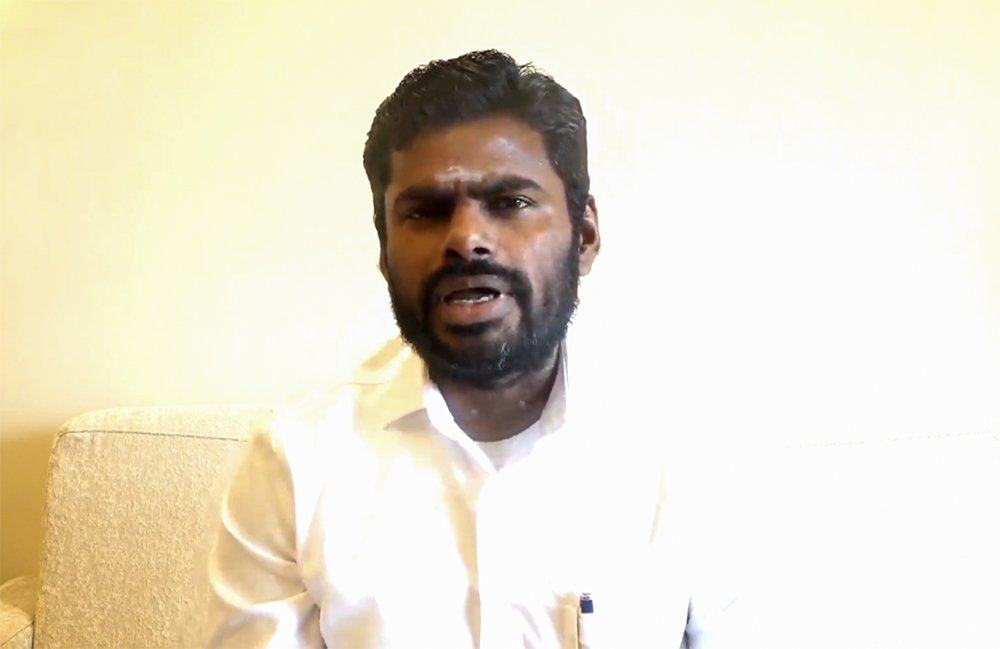
Tamil Nadu has long stood apart from much of India when it comes to the politics of Hindutva. While the Bharatiya Janata Party (BJP) has expanded its footprint across vast stretches of the country, the southern state continues to remain one of its most formidable political frontiers. Against this backdrop, the high-profile departure of K. Annamalai from the leadership of the BJP’s Tamil Nadu unit has added a new dimension to the state’s evolving political landscape. The BJP today enjoys a significant presence across much of India, yet Tamil Nadu remains elusive. Despite sustained efforts over the past several years, the party has struggled to convert visibility into electoral gains. It is in this challenging environment that Annamalai emerged as one of the BJP’s most recognisable faces in the state. A former Indian Police Service officer who earned a reputation for integrity and dynamism in neighbouring Karnataka, Annamalai entered politics barely six years ago. His rapid rise was remarkable. At just 37, he became the youngest president of the BJP’s Tamil Nadu unit, symbolising the party’s attempt to project youthful leadership and fresh political energy.
However, leadership often brings its own challenges. As Annamalai sought to establish himself, resistance emerged from within the party’s traditional ranks. His assertive style, independent positioning and willingness to challenge established political conventions unsettled several senior leaders. In the process, he attracted both admiration and criticism. What distinguished Annamalai was his readiness to confront the dominant Dravidian political establishment head-on. His sharp attacks on the ruling DMK government and his unconventional political language resonated with sections of the urban middle class and younger voters. He brought a new intensity to political discourse, employing rhetoric that was often more direct and aggressive than what Tamil Nadu had traditionally witnessed.
Yet Annamalai also differed in certain respects from the conventional Hindutva playbook. While firmly rooted in the BJP’s ideological framework, he generally avoided overtly communal rhetoric and instead focused on issues of governance, corruption, accountability and administrative reform. This helped him cultivate an image that appealed beyond the party’s core support base. His departure from the state leadership therefore represents more than a routine organisational change. It raises important questions about the BJP’s future strategy in Tamil Nadu and whether the party can sustain the momentum and visibility that Annamalai helped create. In a state where political identities are deeply entrenched, the challenge for the BJP remains formidable and Annamalai’s exit has only made that challenge more pronounced.